


Ensuring Workplace Safety With Spill Pallets

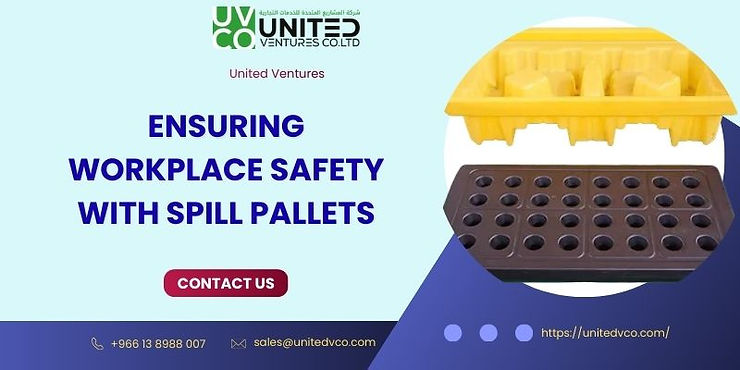
Industrial and commercial operations handle various hazardous liquids daily. How can companies ensure both safety and regulatory compliance without disrupting workflow? Integrating a Spill Pallet system can be a game-changer. Not only do these pallets prevent accidents, but they also streamline adherence to environmental and
workplace safety regulations.
Why Spill Pallets Are Essential for Compliance?
Regulatory bodies like OSHA and EPA mandate that hazardous liquids be stored safely to prevent spills that can harm employees and the environment. Spill pallets serve as a containment solution, ensuring leaks or drips are captured before they escalate into costly accidents or fines.
Leak Containment: High-quality pallets capture and contain liquid spills, protecting floors and surrounding areas.
Regulatory Alignment: Using spill pallets helps companies meet OSHA and EPA guidelines efficiently.
Accident Prevention: By containing leaks at the source, slip-and-fall incidents are significantly reduced.
Integrating Spill Kits for Complete Safety
While spill pallets prevent immediate hazards, pairing them with a Spill Kit ensures comprehensive readiness. These kits include absorbent pads, gloves, and disposal materials, allowing staff to act swiftly and safely. Companies can Learn The Extensive Types of Spill Kits Wholesale Used in Different Sectors to find customized solutions that suit their specific operational needs.
Key Benefits of Combining Spill Pallets and Kits
Faster Response: Ready-to-use kits minimize downtime during spills.
Improved Training: Staff can practice safe spill management with pre-configured pallets and kits.
Cost Efficiency: Preventing damage to property and avoiding regulatory fines reduces overall operational costs.
Choosing the Right Spill Pallet
Not all pallets are created equal. Businesses should consider:
Material Durability: Polyethylene pallets resist corrosion and chemical reactions.
Capacity: Ensure the pallet can hold your largest storage container plus a safety margin.
Portability: Some pallets come with wheels or forklift-friendly designs for easier placement.
Regulatory Certification: Look for pallets that meet EPA or local safety standards.
Real-World Examples
Manufacturing plants in the United States have reported a 30% reduction in spill-related incidents after implementing a combined spill pallet and kit system (OSHA). Similarly, chemical distributors have avoided costly fines by demonstrating proper containment measures, highlighting the practical value of these safety investments.
FAQs
Q1: What is a spill pallet?
A spill pallet is a containment platform designed to hold drums or containers with hazardous liquids, capturing leaks and preventing workplace accidents.
Q2: How do spill pallets help with regulatory compliance?
They ensure proper storage of hazardous materials, meeting OSHA and EPA guidelines and reducing the risk of environmental contamination.
Q3: Can spill pallets be used with all types of chemicals?
Most pallets are made from durable polyethylene resistant to a wide range of chemicals, but it’s essential to verify compatibility for specific substances.
Q4: Are spill pallets easy to maintain?
Yes, they require minimal maintenance regular inspection and cleaning are sufficient to ensure long-term safety and functionality.
Conclusion
Implementing spill pallets alongside spill kits is more than a regulatory requirement it’s a strategic safety measure. By reducing accidents, protecting the environment, and ensuring compliance, companies gain operational efficiency and peace of mind, proving that proactive spill management is a worthwhile investment.
Full Audio Version:- Click Here


Comments